
Swingfire Missile Carrier
FV102 Striker
A distinctive CVR(T)-based anti-tank missile carrier, with only 350 produced and a rare example preserved in the museum collection.
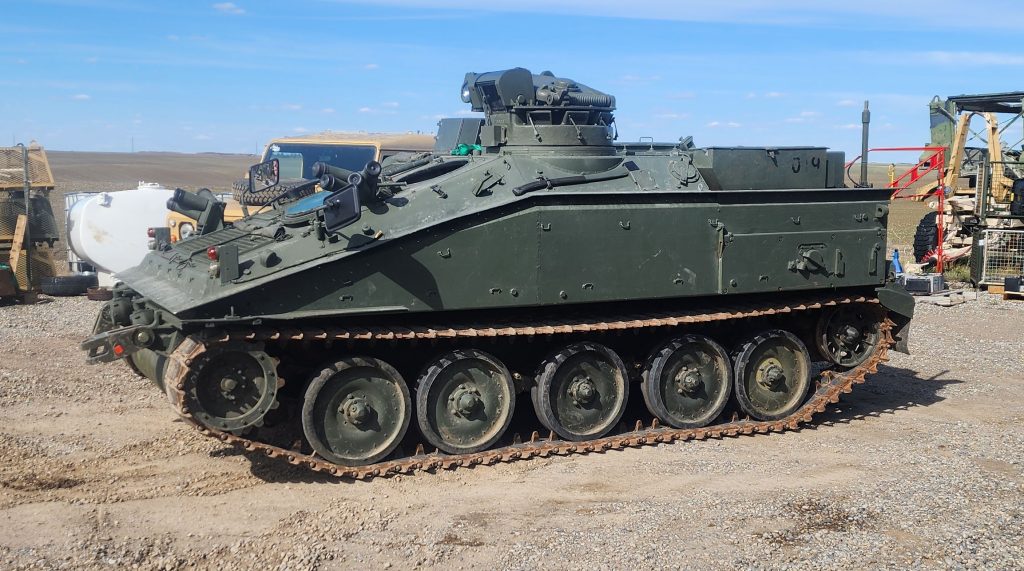
The FV102 Striker was designed as a dedicated anti-tank guided missile platform, capable of delivering a powerful strike from a concealed position. Built on the versatile CVR(T), or Combat Vehicle Reconnaissance (Tracked), chassis, it shares family roots with vehicles such as the Scimitar and Spartan while serving a very different battlefield role.
A History of Precision and Power
Developed in the early 1970s, the Striker entered service with the British Army as part of its mobile anti-tank response force. Its defining feature was the Swingfire missile system: a wire-guided missile that could be launched from cover and steered toward its target in flight.
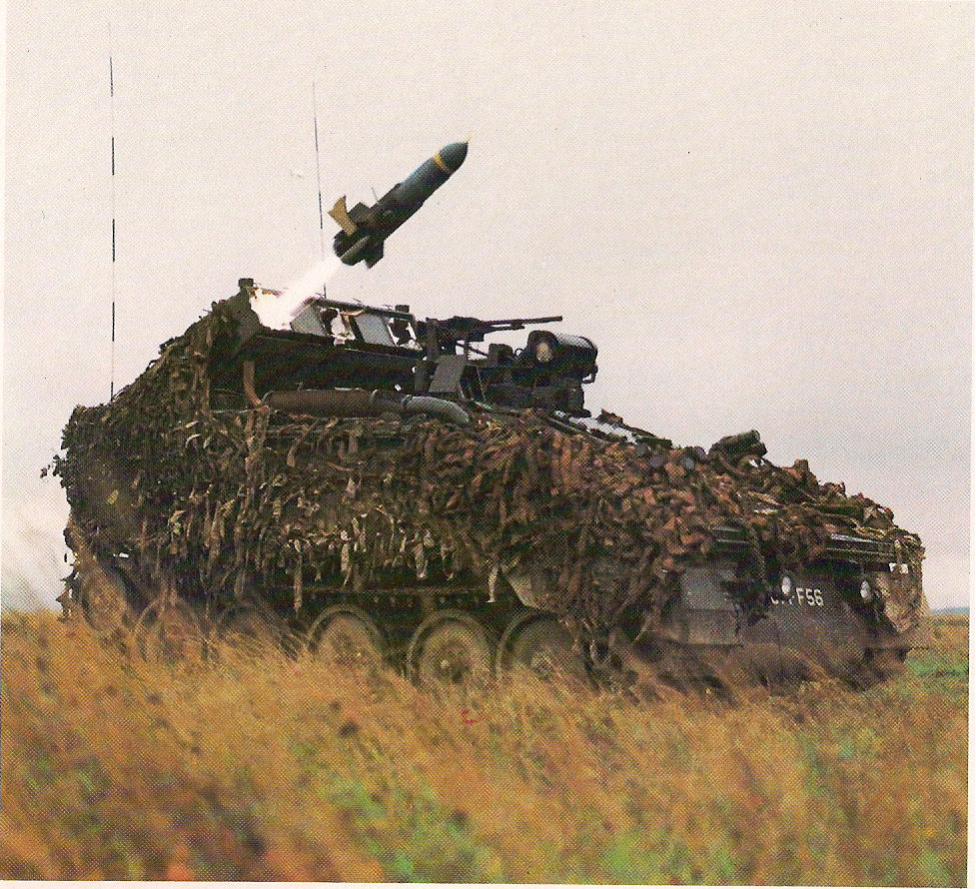
The vehicle carried a five-tube launcher mounted on the rear hull. The launcher could be raised when in action and stowed flat while the vehicle was on the move. This gave the Striker the ability to fire while hidden, then relocate quickly, a battlefield method often described as shoot and scoot.
Crewed by a small team, the Striker played an important role in NATO defence planning during the Cold War. Its mobility, low profile, and guided missile armament made it a deterrent against advancing enemy armour.
Technical Specifications
- Role
- Anti-tank missile carrier
- Crew
- 3: commander, driver, gunner
- Armament
- 5 Swingfire anti-tank guided missiles, with 5 reloads carried inside
- Engine
- Jaguar J60 4.2-litre 6-cylinder petrol engine
- Speed
- Up to 80 km/h, or 50 mph, on road
- Weight
- Approximately 8.1 tonnes
- Armour
- Aluminum alloy protection against small arms and shell splinters
The Striker at The Armed Forces Museum
The museum's FV102 Striker is currently operational, with light restoration ahead. The goal is to preserve its unique features while preparing it for public display and mobile demonstrations.
Although the Striker is no longer in active military service, vehicles like this remain a testament to British innovation in armoured warfare during the latter half of the 20th century. The museum aims to showcase it in a historically accurate configuration alongside other members of the CVR(T) family.